

The economy: Stagnation until 2028?

Dagsetning

6. maí 2026

deila

Stefán Ólafsson writes:

Seðlabanki Íslands (the Central Bank of Iceland) is cooling the economy, hoping to bring down inflation. It does this by keeping interest rates high, which bites into indebted households and companies.


It does not, however, work on foreign price increases, nor on inflation due to rising housing costs, nor on the demand expansion of indebted and high‑income individuals and companies, nor on the expansion due to private consumption of a large number of tourists. These measures of the Central Bank have ultimately proven to deliver only limited results and are, moreover, exceptionally unfair in the distribution of burdens.


But the Central Bank's method certainly cools the economy, it almost brings economic growth to a halt and increases unemployment. That is the cost of applying the high‑interest rate policy.


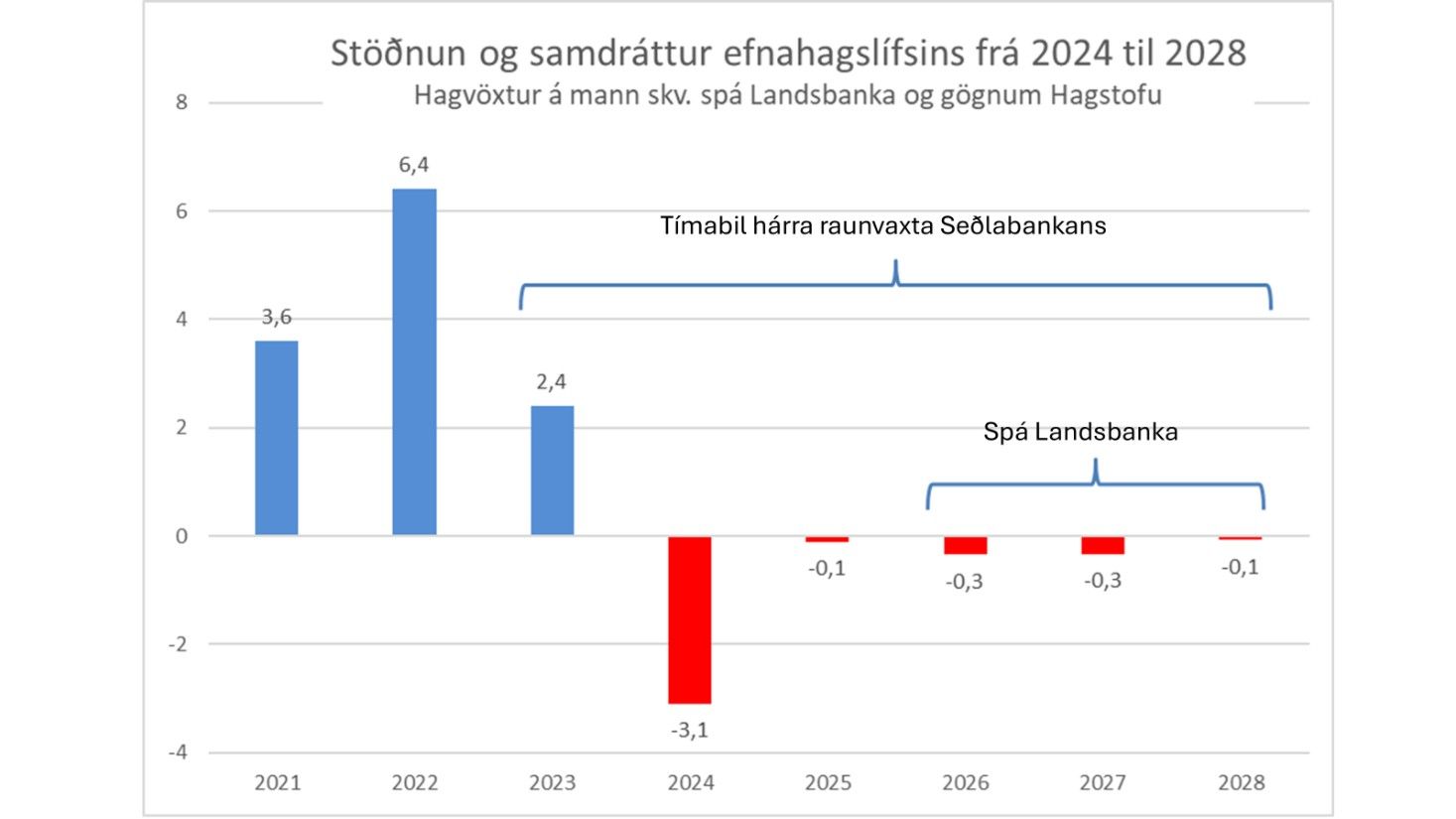
Recently the analysis department of Landsbanki Iceland published its economic forecast for the years 2026 to 2028, which assumes economic growth of only 1.6 to 1.8% over the next three years. This is lower than the projected population growth in the country, according to the Hagstofa Íslands (Statistics Iceland) forecast. Growth per capita will therefore be negative.


This essentially means that the economy has entered a stagnation that is expected to continue at least until 2028. This can be seen in the image below, which shows GDP per capita.

This is bad news, which we hope will not come to pass. But this is the cost of applying this measure of the Central Bank that we are facing. And that without any good result having been achieved in lowering inflation and ensuring stability. This is clearly a path that does not pay off.


Ég hef í mörgum greinum á síðustu mánuðum lagt til að ríkisstjórnin grípi til beinna aðgerða gegn verðbólgunni, í anda hagstjórnarstefnu Keynes lávarðar. Það er hægt að gera með beinum og öflugum inngripum í húsnæðismarkað, fjármálamarkað og víðar, og með markvissri beitingu fjármálastefnu og skatta til að tempra eftirspurnarþrýsting þeirra sem raunverulega spenna upp verðbólguna (sjá t.d. „Verðbólgan: Betri leið er í boði“). Sjá einnig ítarlegar tillögur Efling um leigubremsu, sem eru vel til þess fallnar að slá hratt á verðbólguna.


The government, which is facing stagnation in the economy for three years in addition to the two that have already been lost, is not in a good position. Unchanged, the entire term of Prime Minister Kristrún Frostadóttir's government will be a period of stagnation, if the Landsbanki forecast holds. Delivering a balanced budget next year will not contribute much to lowering inflation. Much more is needed in terms of other kinds of measures.


If the government were to achieve good results in increasing per‑capita growth with a newly‑crafted employment policy, then the Central Bank would come back and say that too much optimism and demand‑pull inflation would enter the economy – which would call again for higher interest rates and greater cooling. The brakes would need to be applied. This is the bottleneck we are in, by locking the economy into the Central Bank's high-interest-rate policy.


I hope that the government has sufficient self-preservation instinct to move away from the market's trade‑liberalisation policy and to rely less on the Central Bank's high‑interest‑rate policy in the near future. We need to be able to achieve economic growth without the Central Bank stepping on the brakes. That calls for all measures other than a high‑interest‑rate policy and a balanced budget.

The time has come for fundamental changes in economic policy, if we are to avert the impending stagnation of the Icelandic economy by 2028.


Stefán Ólafsson is a professor emeritus at HÍ and works as a specialist at Efling.
The article was first published in Heimildin on 4 May 2026.

Eftir Ísak Jónsson • 19. nóvember 2026
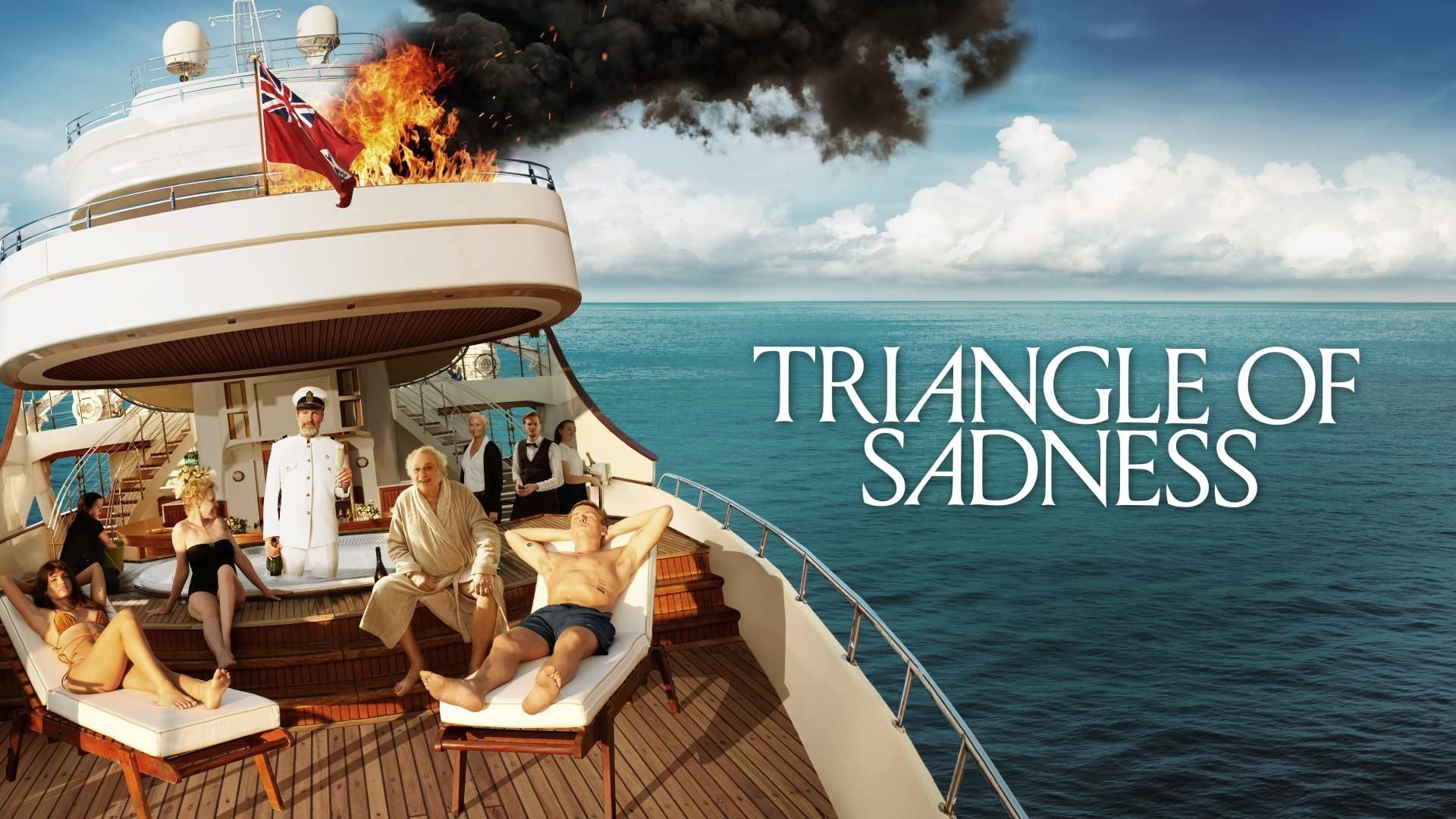
Efling is hosting a film screening for its members on Wednesday, 25 November. The comedy Triangle of Sadness will be shown at Bíó Paradís at 6:45 PM. Triangle of Sadness follows a model couple whose glamorous life leads them onto a luxury cruise for the ultra‑rich, where social status games and absurd elitism dominate. A sudden disaster forces survivors onto a deserted island, stripping away privilege and exposing the fragility of power. The film won the prestigious Palme d'Or at the 2022 Cannes Film Festival. Each ticket costs 500 ISK and includes popcorn and a soft drink or juice. A maximum of five tickets may be purchased per member. You buy the ticket on the Efling my pages here .
Eftir Ísak Jónsson • 19. nóvember 2026
Efling stendur fyrir bíósýningu fyrir félagsmenn sína miðvikudaginn 25. nóvember. Sýnd verður grínmyndin Triangle of Sadness í Bíó Paradís kl. 18:45. Triangle of Sadness fjallar um fyrirsætupar sem lifir glamúrlífi. Þau fara í lúxussiglingu fyrir ofurríka, þar sem félagsleg staða, völd og fáránlegt snobb ráða ríkjum. Þegar skyndilegt áfall verður neyðast eftirlifendur til að bjarga sér á eyðieyju, þar sem forréttindi þeirra missa gildi sitt og brothætt eðli valds og stéttaskiptingar kemur í ljós. Myndin hlaut hinn eftirsótta gullpálma á Cannes kvikmyndahátíðinni árið 2022. Miðinn kostar 500kr. og innifalið er popp og gos eða djús. Hámark 5 miðar fyrir hvern félagsmann. Þú kaupir miðann á mínum eflingar hér .
Eftir Sunna Björg Gunnarsdóttir • 18. nóvember 2026
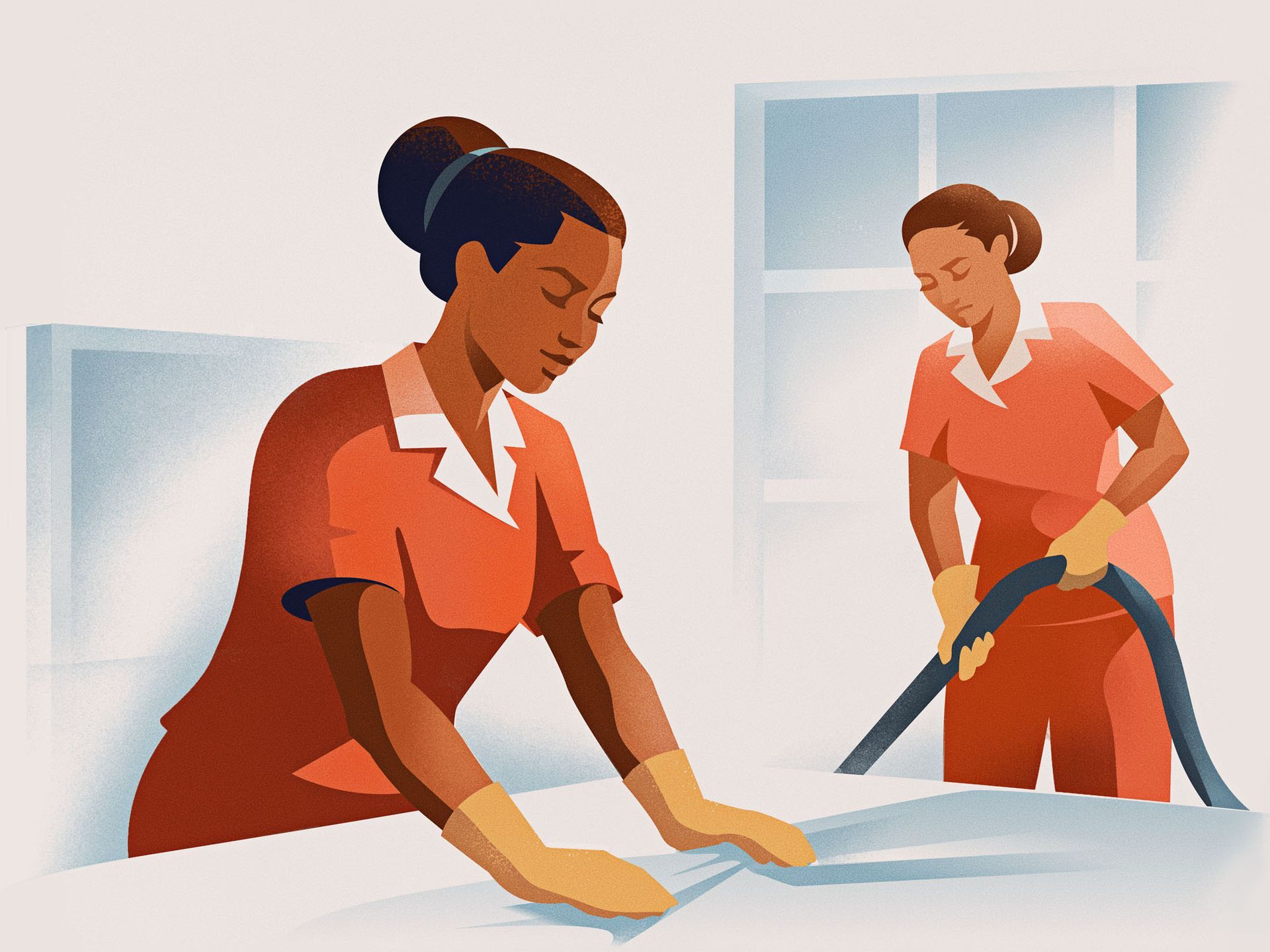
The December bonus for 2026 is due soon.
Sýna fleiri fréttir