


5. mars 2026

Efling demands reforms in the rental market

Dagsetning

5. mars 2026

deila

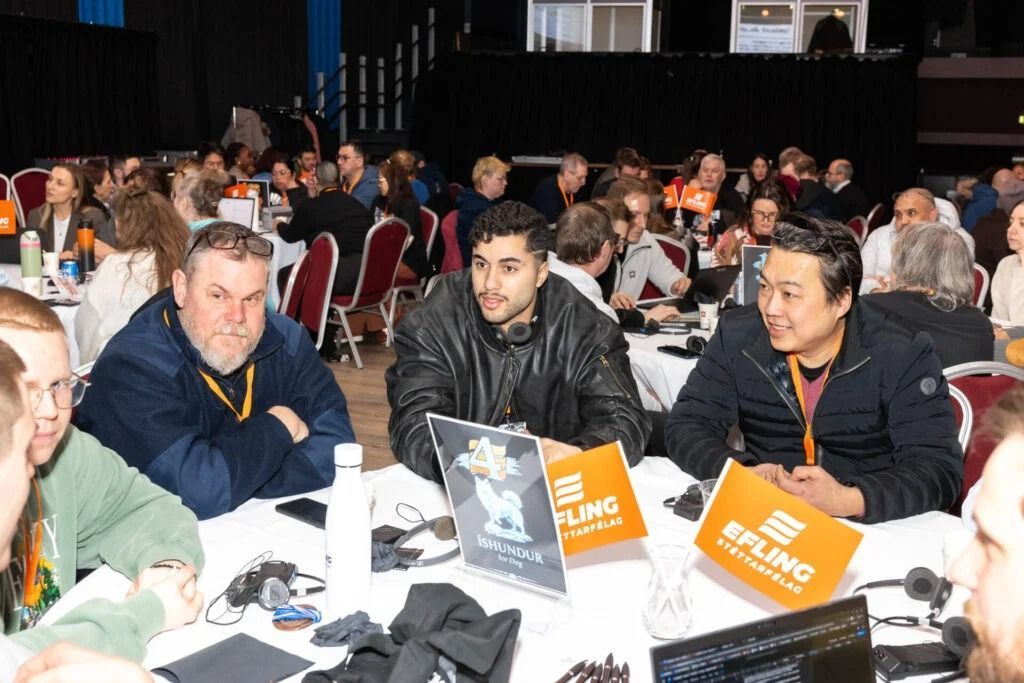
The Icelandic rental market is not an add-on or a band-aid on the housing market. Many Efling associations are on the rental market for a long time and the problems of the rental market will not be solved by simply hoping that tenants will move into owner-occupied housing.


This is the content of a resolution that was adopted at the Efling meeting on February 27 last year, where fundamental reforms of the Icelandic rental market are required. The resolution includes ten demands from the Efling union to the Icelandic authorities to address the serious problems on the rental market. The main demands include, among others:


  • Establish laws and regulations that limit sudden rent increases, support long-term agreements and reward reliable tenants.
  • Ensure regular monitoring of rental housing to assess condition and fair pricing.
  • Lease agreements must be in Icelandic krona.
  • Housing rent allowances should be individualized, based on each tenant's income.
  • A database of tenants and landlords should be set up to promote transparency.
  • Limiting will become large-scale short-term rentals for tourists.
  • The supply of rental housing must be increased and the share of non-profit rental associations in such a structure must be secured. A housing cooperative for workers should then be established where it would be possible to acquire apartments with a purchase lease. 


The resolution follows here in its entirety. 


House rent

Icelandic authorities must face the fact that the rental market is not an add‑on or a band‑aid on the Icelandic housing market. Many Efling members are on the rental market for a long time and need to rely on a housing lease as a lifeline in their existence. The problems of the rental market will not be solved by simply hoping that tenants will move into owner‑occupied housing. In a healthy housing market people can choose between acquiring housing at an affordable price or renting in a safe and cost‑effective way. There needs to be a humane, regulated and stable rental market that is a realistic option for working people, as is known in our neighboring countries. 


Efling associations make the following demands of the Icelandic authorities on matters of the rental market: 


  • Far from enough has been done to curb the powers of landlords to make tenants' existence a joke. Laws and regulations must be enacted that ensure fair and reliable limits on rent increases, encourage agreements to be maintained for longer periods, and reward reliable tenants who meet all the conditions of the tenancy agreement. 
  • It must be ensured that the appropriate authorities (e.g., HSE) can carry out supervision in accordance with the authorizations that will be introduced so that these regulations and laws are complied with. 
  • Regular monitoring of rental housing must be carried out, for example every two years, so that the condition can be assessed, a fair market price determined, and quality, safety and transparency in the rental market ensured. 
  • Rental agreements must be made in Icelandic krona, and not in foreign currencies. 
  • Landlords shall be responsible for ensuring that the registration of tenants who live in rental housing is correct and up‑to‑date. 
  • Housing rent allowances should be calculated individually, based on the personal income of each tenant, rather than on joint income. Such a method would be more consistent with Article 76 of the Constitution of Iceland, which guarantees an individual's right to social assistance. 
  • It is also important to establish a database of tenants and landlords. Access to such information contributes to a healthy rental market with increased trust and transparency in the process for both parties. 
  • In addition, it is necessary to ensure access to independent parties that both tenants and landlords can turn to, in order to record and preserve images of the condition of the apartment before and after the tenancy. Such registration can be used as neutral evidence and contribute to a fair settlement of insurance/payments at the end of the tenancy. 
  • It is necessary to be much stricter about the practice of short-term rentals of residential housing for tourists. Renting a home for a short period within a year can be considered an additional income source for families. However, this should not become a large-scale industry of investors and speculators that takes up a significant portion of the housing stock that the people of the country need in order to live a safe and decent life. 
  • It is necessary to increase the supply of rental housing, as part of a broader, financed and timed government housing plan that is prepared according to solid forecasts and in consultation with the municipalities. It is necessary to ensure the participation of non‑profit rental associations in that construction, for example through Bjarg which has proven its value as a targeted solution for people on lower wages. It would also be appropriate to establish a housing association for workers where there is an opportunity to acquire the apartments through rent. 
Eftir Sigrún Efling 9. júlí 2026
At the end of June, representatives of Efling attended a conference held by UNI Global, the international federation that Efling joined at the beginning of the year. The conference was the regular conference of UNI Europa Property Services, the UNI division that coordinates cooperation between European affiliate unions in the cleaning and security sectors. The conference took place in Paris, at the offices of the French trade union CFDT Services in the 19th arrondissement, a historic working-class district of the city. Efling was represented at the conference by Sólveig Anna Jónsdóttir, chair of the union, and Viðar Þorsteinsson, director of education and social affairs. The programme began on Wednesday, 24 June, with discussions including UNI’s campaign to organise cleaning work during daytime hours. The campaign is called the European Daytime Cleaning Alliance and involves cooperation with employers as well as advocacy at European Union level. On Thursday, 25 June, Viðar took part in a panel discussion with trade union representatives from Belgium and Italy on the findings of an extensive comparative survey commissioned by UNI on collective agreements for security guards and cleaners in Europe. Efling was one of the respondents to the survey. In his contribution, Viðar described Efling’s work in the cleaning sector, which has included increased monitoring of workload, work pace and working conditions among cleaners, as well as communication with public authorities on these issues. The conference programme included panel discussions on a wide range of topics. These included the conditions of migrants and women, issues of particular relevance to the cleaning sector, and the work of UNI and its affiliates to hold large multinational companies in cleaning and security services accountable for workers’ welfare regardless of location, including through so-called global agreements. At the end of the day on Thursday, members of the French trade union CFDT gave speeches in which they discussed their working conditions and terms of employment. The final day of the conference, Friday, 26 June, began with discussions on public procurement. UNI has advocated for stricter requirements concerning workers’ rights in procurement processes. Cleaning and security services are both examples of work that public institutions and municipalities are increasingly outsourcing to private companies. Representatives of UNI affiliates on the panel described how unions in their countries have sought to have a positive influence on government procurement policy and to counteract procurement practices that encourage a “race to the bottom” through competition at the expense of workers’ rights and welfare. French economist François-Xavier Devetter, professor at the University of Lille, then gave a presentation on his research into the position of cleaners in France. He has devoted much of his research to this field and has published books on the subject. The closing remarks of the conference were delivered by Zeynep Biçici, a leader and chief negotiator for cleaners within the German trade union IG BAU. She is also president of UNI Europa Property Services and was re-elected to the position at the conference. Participants at the conference included leaders and staff from Nordic trade unions with which Efling has already built ties through SUN. “ After taking part in the UNI Europa Property Services conference, I am convinced of the value of participating in international trade union cooperation. It gives us the opportunity to learn from the best work being done by our sister unions and to strengthen our knowledge of conditions in the sectors where our members are in the most vulnerable position, which is especially true of the cleaning sector. In both cleaning and security services, there are large companies operating across national borders. When trade unions are able to exchange information and share their experience, it makes a decisive difference to our position in relation to employers , ” said Sólveig Anna Jónsdóttir, chair of Efling. “ The cleaning sector has been a major focus for Efling in recent months. Our communication with sister unions in the Nordic countries on issues relating to the sector has already been very useful, and it seems to me that cooperation with European unions will be useful as well ,” said Viðar Þorsteinsson.
Eftir Sigrún Efling 9. júlí 2026
Í lok júní sóttu fulltrúar Eflingar ráðstefnu á vegum alþjóðasamtakanna UNI Global sem Efling fékk aðild að í byrjun árs . Um var að ræða reglulega ráðstefnu UNI Europa Property Services , en sú deild heldur utan um samstarf evrópskra aðildarfélaga UNI í ræstinga- og öryggisvarðageiranum. Ráðstefnan fór fram í París í húsakynnum franska stéttarfélagsins CFDT Services í 19. hverfi, sem er gamalgróið verkamannahverfi borgarinnar. Ráðstefnuna sóttu fyrir hönd Eflingar Sólveig Anna Jónsdóttir formaður félagsins og Viðar Þorsteinsson fræðslu- og félagsmálastjóri. Dagskrá hófst miðvikudaginn 24. júní, og var þá m.a. fjallað um átaksverkefni UNI um skipulagningu ræstingavinnu á dagvinnutíma. Átakið fer fram undir heitinu „European Daytime Cleaning Alliance“ og felur í sér samstarf við atvinnurekendur og þrýsting á vettvangi Evrópusambandsins. Fimmtudaginn 25. júní tók Viðar þátt í pallborðsumræðum ásamt fulltrúum stéttarfélaga frá Belgíu og Ítalíu um niðurstöður viðamikillar samanburðarkönnunar sem UNI hefur látið vinna á kjarasamningum öryggisvarða og ræstingafólks í Evrópu. Efling var einn af svarendum könnunarinnar. Viðar greindi í innleggi sínu frá starfi Eflingar í ræstingageiranum, sem m.a. hefur falið í sér aukið eftirlit með verkhraða og vinnuaðstæðum ræstingafólks og samskipti við opinbera aðila þar að lútandi. Pallborð um fjölbreytt málefni voru á dagskrá ráðstefnunnar. Má þar m.a. nefna aðstæður innflytjenda og kvenna, sem eiga sérstakt erindi við ræstingageirann, og vinnu UNI og aðildarfélaga við að draga stórfyrirtæki í ræstingum og öryggisvörslu til ábyrgðar á velferð starfsfólks óháð staðsetningu, m.a. í gegnum svokallaða hnattræna samninga („global agreements“). Í lok dags á fimmtudeginum fluttu félagsmenn úr franska stéttarfélaginu CFDT ávörp þar sem ræddu um aðstæður sínar og kjör. Síðasti dagur ráðstefnunnar, föstudagurinn 26. júní, hófst á umræðum um opinber útboð, en UNI hefur beitt sér fyrir hertum skilyrðum varðandi réttindi verkafólks í útboðum. Bæði ræsting og öryggisvarsla eru dæmi um störf sem opinberar stofnanir og sveitarfélög bjóða í vaxandi mæli út til einkafyrirtækja. Fulltrúar aðildarfélaga UNI í pallborðinu greindu frá því hvernig félögin hafa í sínum heimalöndum leitast við að hafa jákvæð áhrif á stefnu stjórnvalda í útboðsmálum og spornað gegn því að útboð hvetji til „kapphlaups á botninn“ í gegnum samkeppni á kostnað réttinda og velferðar verkafólks. Þá flutti franski hagfræðingurinn Francois-Xavier Devetter, prófessor við háskólann í Lille, kynningu á rannsóknum sínum á stöðu ræstingafólks í Frakklandi, en hann hefur helgað sig rannsóknum á því sviði og gefið út bækur um það. Lokaorð ráðstefnunnar flutti Zeynep Bicici, forystukona og aðalsamningamaður ræstingafólks innan þýska stéttarfélagsins IG Bau. Hún er jafnframt forseti UNI Europa Property Services og var hún endurkjörin í það embætti á ráðstefnunni. Meðal þátttakenda í ráðstefnunni voru forystumenn og starfsfólk úr norrænum stéttarfélögum sem Efling hefur þegar byggt upp tengsl við á vettvangi SUN. „Eftir þátttöku í ráðstefnu UNI Europa Property Services er ég sannfærð um gildi þess að taka þátt í alþjóðlegu samstarfi verkalýðsfélaga. Okkur gefst tækifæri til að læra af því sem best er gert hjá systurfélögum okkar og að styrkja þekkingu okkar á stöðu mála í þeim geirum þar sem félagsfólk okkar stendur hvað höllustum fæti, sem á sérstaklega við um ræstingageirann. Í bæði ræstingum og öryggisvörslu eru stórfyrirtæki sem starfa þvert á landamæri. Þegar stéttarfélög geta skipst á upplýsingum og deilt reynslu sinni þá skiptir það sköpum fyrir okkar vígstöðu gagnvart atvinnurekendum,“ sagði Sólveig Anna Jónsdóttir formaður. „ Ræstingageirinn hefur á síðustu misserum verið í brennidepli hjá Eflingu. Samskipti við systurfélög okkar á Norðurlöndum varðandi málefni geirans hafa þegar gagnast okkur mjög vel, og mér sýnist að samvinna við evrópsku félögin muni gera það líka ,“ sagði Viðar Þorsteinsson.
Eftir Freyr Efling 3. júlí 2026
Efling Union's office will operate on reduced opening hours during the peak summer period. From 6 July to 4 August, the office will be open from 10:00 to 14:00. Regular opening hours will resume after the August Bank Holiday weekend (Verslunarmannahelgi).
Sýna fleiri fréttir